
CCTV & IP Camera Installation in South Texas
A surveillance system that captures blurry footage from the wrong angle, goes offline during a critical incident, or stores recordings for fewer days than your insurance policy requires is not a security asset — it is a liability that creates a false sense of protection while failing to deliver the evidence and deterrence value that justified the investment. Punchdown Communications designs and installs CCTV and IP camera systems for businesses, schools, healthcare facilities, warehouses, retail environments, and government facilities throughout all of South Texas, including San Antonio, McAllen, Corpus Christi, Laredo, Brownsville, Harlingen, Edinburg, Mission, Del Rio, Eagle Pass, Alice, Victoria, Pharr, Weslaco, and every community across the Rio Grande Valley and South Texas Plains.
Contact Punchdown Communications today to schedule a free surveillance system assessment for your South Texas facility.
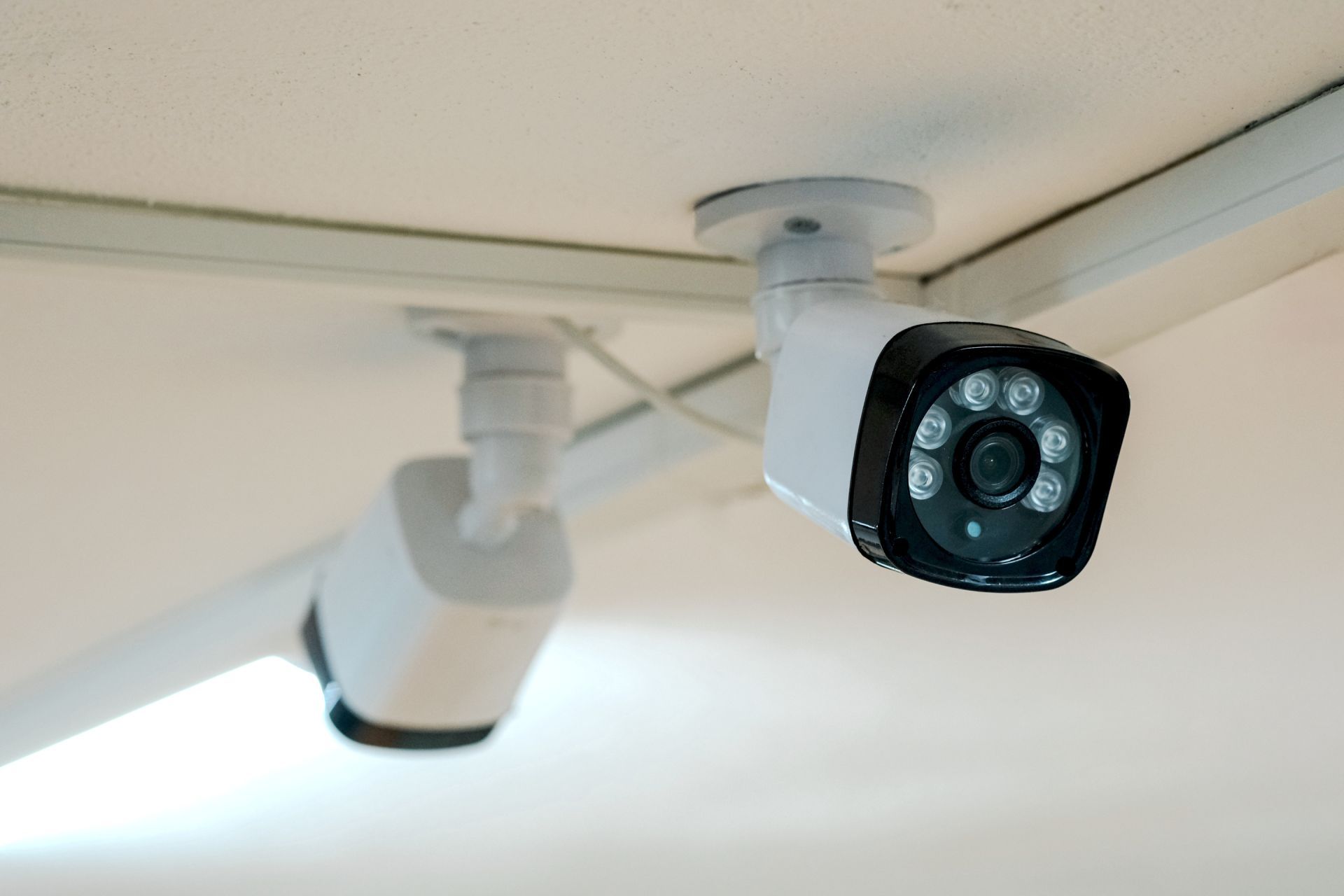
CCTV vs. IP Camera Systems — Understanding the Technology Landscape
Analog CCTV Systems
Traditional analog CCTV systems transmit video as an analog signal over RG59 coaxial cable to a digital video recorder. HD-over-coax technologies including HD-CVI, HD-TVI, and AHD have extended analog system resolution to 4K in some product lines, allowing facilities with existing coaxial cable infrastructure to upgrade camera resolution without rewiring.
IP Camera Systems
IP cameras convert video to digital data at the camera itself and transmit it over standard Cat6 network cabling to a network video recorder or video management server. IP systems deliver the highest available image resolution, support intelligent video analytics, provide remote access through standard network infrastructure, and scale without replacing the recording system.
Hybrid Systems for Infrastructure Transitions
Facilities transitioning from legacy analog infrastructure to IP surveillance can use hybrid DVR/NVR platforms that accept both analog and IP camera inputs simultaneously, distributing the cost of the transition over time without maintaining two separate recording systems.
Camera Selection and Placement Strategy
Coverage Analysis and Blind Spot Elimination
Punchdown Communications maps camera fields of view against the physical layout of the facility during the design phase, identifying mounting heights, angles, and focal lengths that achieve complete coverage of priority areas without blind spots that a determined intruder could exploit.
Lighting Conditions and IR Illumination
Camera performance is fundamentally dependent on available light. Punchdown Communications evaluates lighting conditions at each camera position and specifies cameras with appropriate IR illumination range, wide dynamic range capability, or supplemental lighting recommendations for positions where existing illumination is insufficient.
Fixed Dome Cameras
Fixed dome cameras are the standard specification for interior locations with defined fields of view. Their low-profile form factor integrates cleanly with finished interior spaces and their vandal-resistant dome housings are appropriate for areas accessible to the public or general building occupants.
Varifocal and Optical Zoom Cameras
Varifocal cameras allow the focal length to be adjusted during installation to precisely frame the field of view required for a specific position — particularly useful for long-distance coverage of parking areas, loading docks, and building perimeters.
PTZ Cameras
Pan-tilt-zoom cameras provide full motorized control of camera direction and zoom level, operated remotely through the NVR interface. PTZ cameras are most effective when paired with fixed cameras that provide continuous wide-area coverage.
Fisheye and Multi-Sensor Panoramic Cameras
Multi-sensor panoramic cameras achieve wide-area coverage using multiple independent image sensors in a single housing, avoiding the image distortion inherent in single-sensor fisheye optics. Both camera types are effective in large open interior spaces.
Reach out to Punchdown Communications to discuss camera selection and placement strategy for your South Texas surveillance project.
Recording Infrastructure — NVR Design and Storage Sizing
Network Video Recorder Selection and Configuration
NVR platforms vary significantly in channel capacity, maximum camera resolution support, processing capability for video analytics, and remote access features. Punchdown Communications selects NVR platforms based on the specific requirements of each installation — current camera count, planned expansion capacity, resolution and frame rate requirements.
Storage Calculation and Retention Planning
Storage requirements for IP camera systems are calculated based on camera count, recording resolution, frame rate, the ratio of continuous to motion-triggered recording, and the required retention period. Punchdown Communications performs accurate storage calculations for every installation, sizing the NVR storage to meet the actual retention requirement with appropriate headroom.
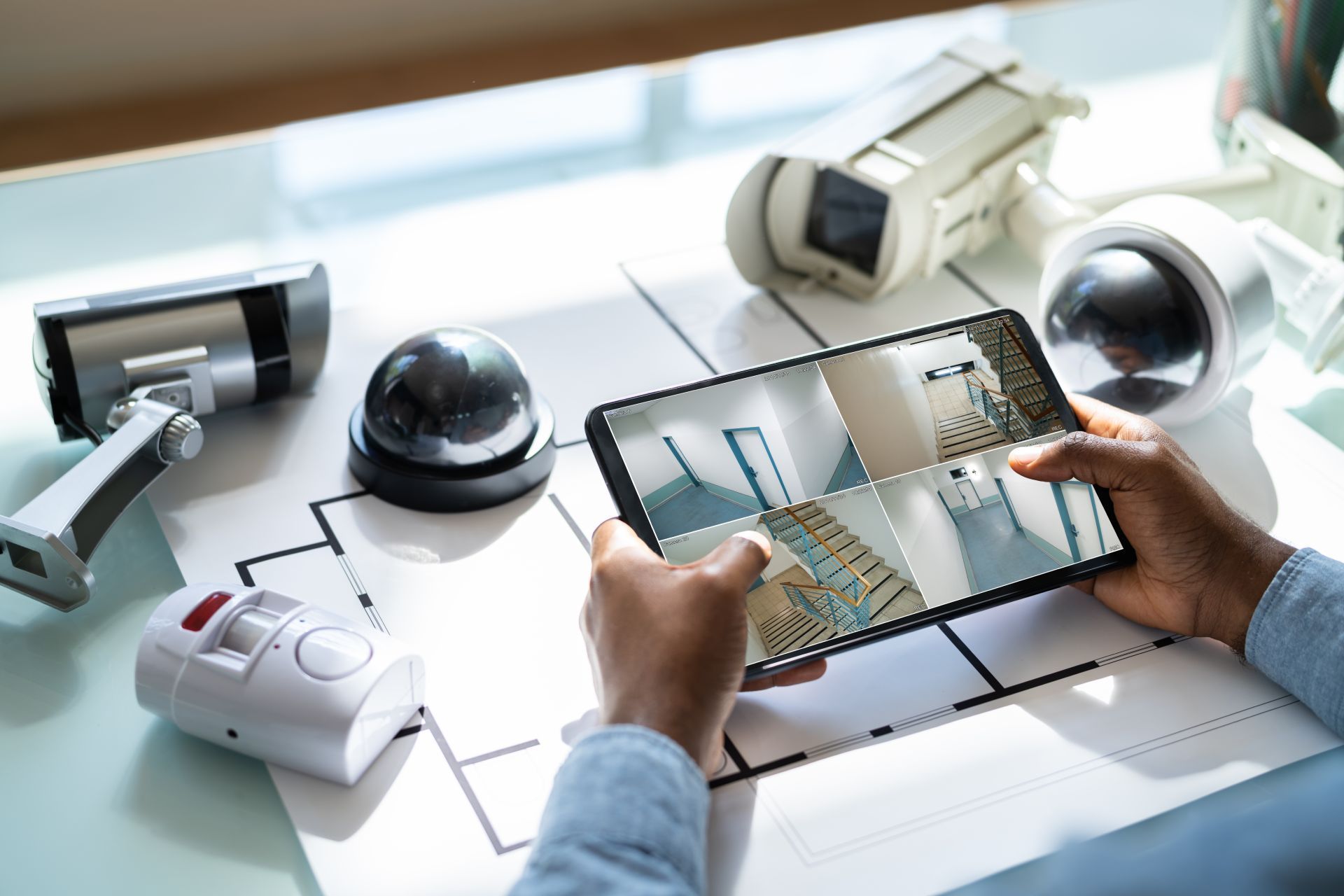
Cabling Infrastructure for CCTV and IP Camera Systems
Every IP camera in a professionally installed surveillance system connects through a certified Cat6 cable run that simultaneously delivers network connectivity and PoE power to the camera. Punchdown Communications calculates the PoE power budget for every installation, selecting switch hardware and cabling specifications that deliver adequate power to every camera position.
Schedule your South Texas CCTV and IP camera installation with Punchdown Communications — coverage design, certified cabling, and complete documentation on every project.
FAQ"S
Frequently Asked Questions About CCTV & IP Camera Installation in South Texas
What is the difference between a DVR and an NVR for camera recording?
A DVR is used with analog CCTV camera systems. It receives analog video signals from cameras over coaxial cable, converts them to digital format, and stores the footage. An NVR is used with IP camera systems. It receives digital video data from cameras over the network and provides remote access through standard network interfaces.
How many cameras does a typical South Texas business need?
Camera count is determined by the specific coverage requirements of the facility — the number and location of entry and exit points, the size and layout of interior spaces, parking area dimensions, and the level of detail required at each position. Punchdown Communications conducts a site survey that maps the field of view achievable from each candidate mounting position against the facility's coverage priorities.
What camera resolution do I need to identify faces and read license plates?
Facial identification at a doorway or transaction counter typically requires a minimum of 100 pixels per foot of image width at the subject distance, achievable with a 2 to 4 megapixel camera at typical doorway distances. License plate capture requires a dedicated license plate capture camera with a varifocal lens dialed to the specific lane width and camera distance.
How long can my surveillance system store footage, and what affects retention duration?
Retention duration is determined by the amount of installed storage in the NVR divided by the daily recording data volume, which depends on camera count, resolution, frame rate, and whether recording is continuous or motion-triggered. Most commercial installations target 30 to 90 days of retention.
Can IP cameras operate without continuous internet connectivity?
Yes. IP cameras record to the local NVR regardless of internet connectivity status. Internet connectivity is required only for remote viewing through mobile applications or web browsers and for any cloud backup features. All local recording and motion detection functions operate independently of the internet connection.
What causes IP cameras to go offline intermittently, and how is it prevented?
Intermittent IP camera dropouts are almost always caused by marginal PoE power delivery due to excessive cable length or poor terminations, network connectivity issues caused by cabling that fails certification testing, or switch port instability due to PoE budget oversubscription. Punchdown Communications prevents all three through professional cable installation and certification testing.
How are cameras protected from tampering and vandalism in public-facing locations?
Cameras in publicly accessible locations are specified with IK10-rated vandal-resistant housings, indicating the housing can withstand an impact of 20 joules. Mounting height at 9 to 12 feet above finished floor substantially reduces opportunistic tampering. For the highest-risk positions, cameras in steel housing with tamper-evident mounting hardware are recommended.
Can a new IP camera system be integrated with an existing access control system?
Integration between IP camera systems and access control platforms allows camera footage to be automatically associated with access control events. Integration capability depends on whether the NVR and access control panel support compatible integration protocols or APIs.
Does Punchdown Communications provide ongoing service and support for installed camera systems?
Yes. Punchdown Communications provides troubleshooting and support services for installed CCTV and IP camera systems, including camera replacement, NVR maintenance, hard drive replacement, cabling repairs, and system expansion as facility security requirements evolve.
What South Texas areas does Punchdown Communications serve for CCTV and IP camera installation?
Punchdown Communications installs CCTV and IP camera systems throughout all of South Texas, including San Antonio, McAllen, Laredo, Corpus Christi, Brownsville, Harlingen, Edinburg, Mission, Del Rio, Eagle Pass, Alice, Victoria, Pharr, Weslaco, Mercedes, and all surrounding communities.